Why High-Quality Textiles Are Essential for a Healthy and Sustainable Interior
Text: Allon Verhees
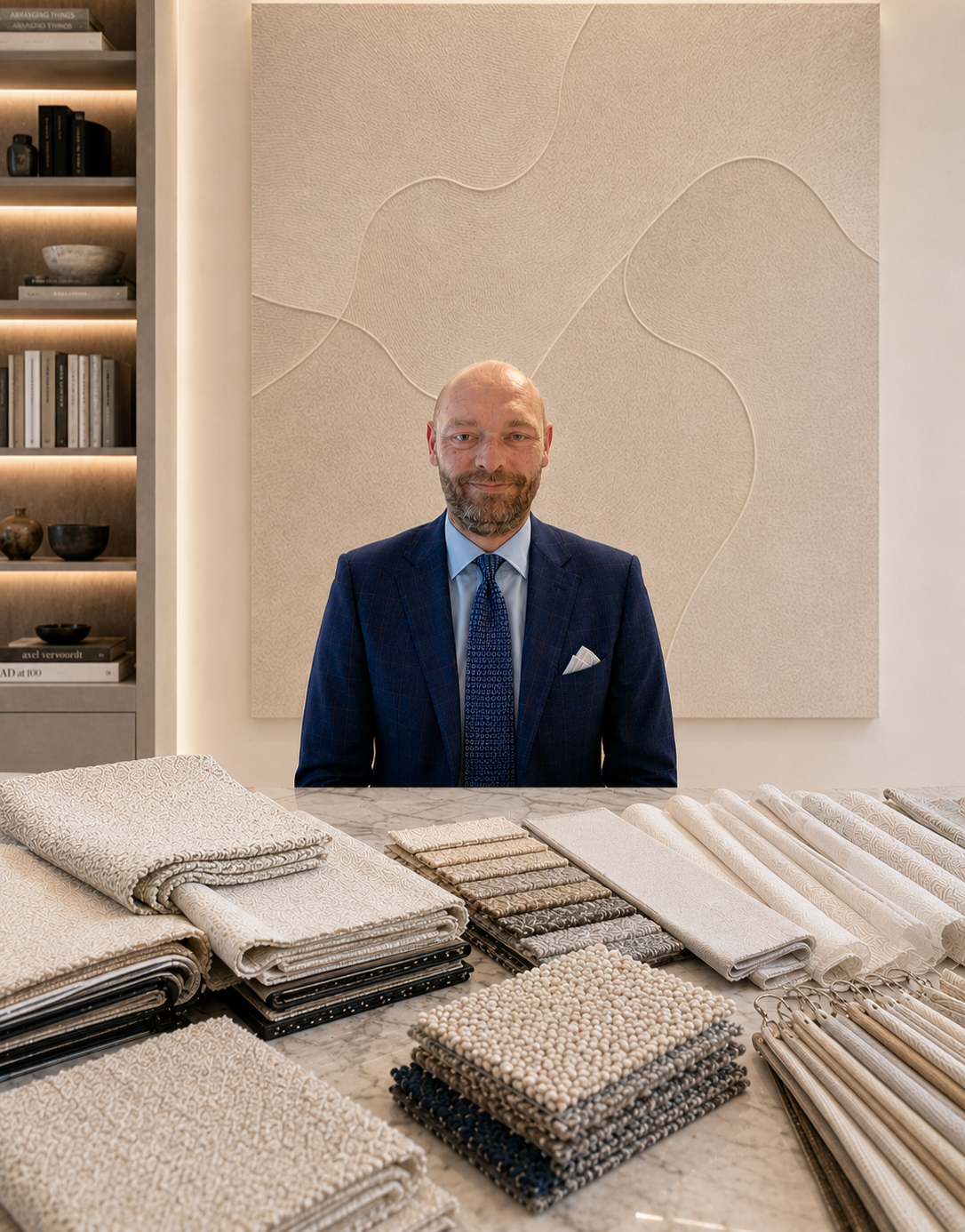
During my visit this week to the TextielLab in Tilburg, it became clear once again how much influence textiles have on our living and working environments. Upholstery fabrics, curtains, rugs, and carpets no longer only define the look of an interior — they also affect comfort, indoor health, and environmental impact.
The interior industry is therefore shifting away from fast trends and inexpensive synthetic materials toward quality and natural fibers such as wool, linen, cotton, and hemp. These materials not only feel more comfortable, but also tend to last much longer. This means less wear and tear, less waste, and ultimately a more sustainable choice.
In addition, natural materials play an important role in health and indoor climate quality. Materials such as wool, linen, and cotton breathe better, regulate moisture naturally, and generally contain fewer harmful substances than many synthetic alternatives. As a result, they contribute to healthier living environments, greater comfort, and improved air quality — something that is becoming increasingly important as we spend more time indoors.
Wool in particular remains popular because of its strength, insulating qualities, and sound-absorbing properties. It is durable, hard-wearing, and helps create calmer and more comfortable living and working spaces. Linen and hemp are also gaining popularity thanks to their natural appearance and low ecological impact.
One of the strongest messages emerging from the TextielLab is that true sustainability begins with quality and longevity. A well-made rug or high-quality upholstery fabric that lasts for many years is ultimately far more sustainable than a cheaper product that needs to be replaced quickly.
We are also seeing this shift internationally. At design fairs such as the Salone del Mobile in Milan, natural materials, soft tones, and timeless quality are becoming increasingly central. Luxury in 2026 is no longer about excess, but about comfort, sustainability, and conscious choices that are better for both people and the environment.
The future of interior design therefore lies in materials that are not only beautiful, but also contribute to healthier living environments and a more sustainable way of living.